
Afro-Brazilian Traditions: The Sisterhood of Boa Morte

9 de jul. de 2025
3 min de leitura
Brazil’s Afro-Brazilian culture is rich and multifaceted, with traditions and landmarks that hold deep historical and spiritual significance. While some, like the Pelourinho in Salvador, are world-renowned, others remain hidden gems waiting to be discovered. Among these is the Sisterhood of Boa Morte (Irmandade da Boa Morte), a powerful symbol of resistance, faith, and cultural preservation.

The Origins of Boa Morte Sisterhood
The Sisterhood of Boa Morte was founded in the early 19th century in Cachoeira, a historic town in the Recôncavo Baiano region of Bahia. Comprised of women of African descent, the organization was initially a clandestine group of enslaved and formerly enslaved women who sought to preserve their African spiritual traditions under the guise of Catholic worship.
The name "Boa Morte," which means "Good Death," reflects their devotion to Our Lady of the Good Death (Nossa Senhora da Boa Morte). This devotion provided a means to honor their ancestors and pray for liberation from slavery—both spiritual and physical.
A Unique Blend of Catholicism and Candomblé
Like many Afro-Brazilian traditions, the Sisterhood of Boa Morte represents a syncretism between Catholicism and Candomblé, an Afro-Brazilian religion rooted in Yoruba, Fon, and Bantu traditions.
The Spiritual Duality:
- Catholic Influence: Members venerate the Virgin Mary and other Catholic saints, participating in Mass and processions.
- Candomblé Practices: The ceremonies also honor the Orishas (deities), particularly Oxum, the goddess of fertility, love, and wealth, and Iemanjá, the goddess of the sea and motherhood.
This duality reflects the resilience of African traditions in the face of colonial oppression, where spiritual practices adapted to survive under the guise of Catholic rituals.
The Annual Festival of Boa Morte
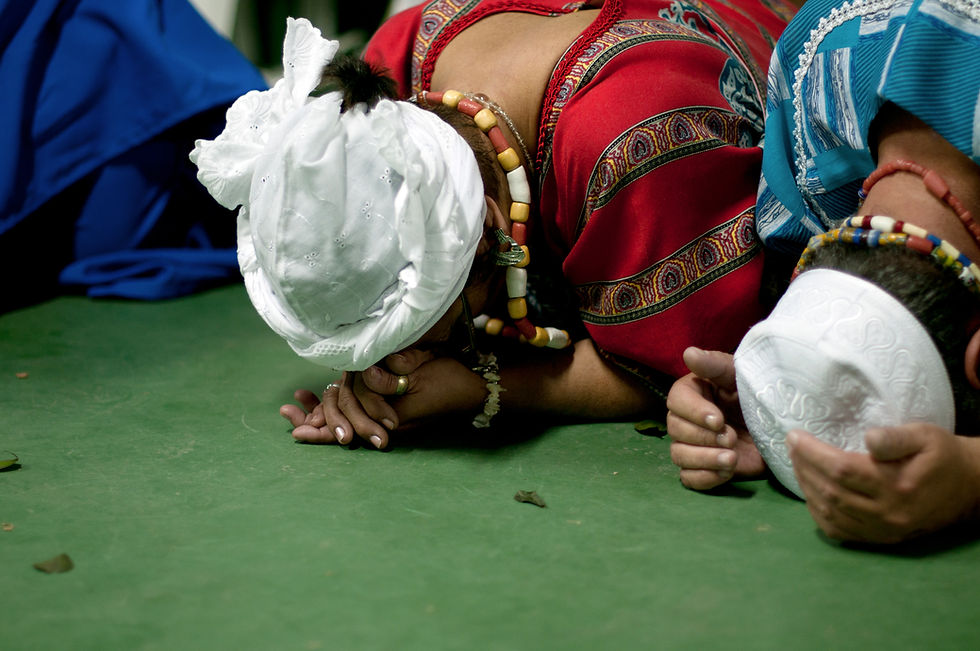
Every August, the Sisterhood hosts the Festival of Boa Morte, a three-day celebration that draws visitors from around the world to Cachoeira. This event is a deeply spiritual and cultural experience, showcasing the strength and heritage of Afro-Brazilian women.
The Ceremonies:
1. Day of the Good Death: The festival begins with solemn Masses and processions honoring the Virgin Mary.
2. Day of the Assumption: Celebrations shift to joy, with feasts, Afro-Brazilian music, and dance.
3. Day of Celebration: The festival concludes with samba de roda, traditional Afro-Brazilian music, and communal meals.
The festival not only honors the ancestors but also serves as a reminder of the resilience and agency of Afro-Brazilian women. It’s a powerful statement of cultural pride and identity.
Visiting Cachoeira and Boa Morte
For travelers, Cachoeira offers a chance to connect deeply with Afro-Brazilian history and spirituality.
Key Sites to Explore:
- Sisterhood Headquarters: The historic house where the Sisterhood meets is a treasure trove of artifacts and stories.
- Igreja da Boa Morte: This Catholic church is a central site for the Sisterhood’s activities.
- Candomblé Terreiros: Nearby sacred spaces offer insight into Afro-Brazilian spirituality.
How to Respectfully Participate:
- Seek Permission: Always ask before taking photos or joining ceremonies.
- Dress Modestly: Show respect for sacred spaces by wearing appropriate clothing.
- Engage Local Guides: Afro-Brazilian guides can provide authentic context and deepen your understanding.
Other Hidden Afro-Brazilian Traditions
While Boa Morte is a standout, other lesser-known Afro-Brazilian traditions and sites also deserve attention:
1. The Balé Folclórico da Bahia
This dance troupe preserves and performs traditional Afro-Brazilian dances like capoeira and samba de roda. Their shows are a vibrant celebration of African heritage.
2. Ilê Aiyê’s Cultural Center in Salvador
Founded in 1974, Ilê Aiyê is Brazil’s first Afro-Bloco and a pioneer in promoting Black pride. Their center offers workshops and cultural programs.
3. Quilombos
These communities, established by escaped enslaved people, remain vibrant hubs of Afro-Brazilian culture. Quilombo dos Palmares in Alagoas and Quilombo do Campinho in Paraty are notable examples.
Lesser-known Afro-Brazilian traditions and sites like the Sisterhood of Boa Morte offer profound insights into the resilience, creativity, and spirituality of Brazil’s Black community. By exploring these hidden gems, travelers can deepen their connection to Afro-Brazilian history and culture while supporting initiatives that preserve this invaluable heritage.
At Afrotrip Travel Agency, we specialize in curating meaningful experiences that celebrate Afro-Brazilian culture. Let us guide you to the heart of these stories, ensuring your journey is enriching and unforgettable. Contact us today to start planning your adventure!


Comentários